 FLOODMAN
Questions to Discuss During a Basement Waterproofing Inspection
Posted on October 15, 2026
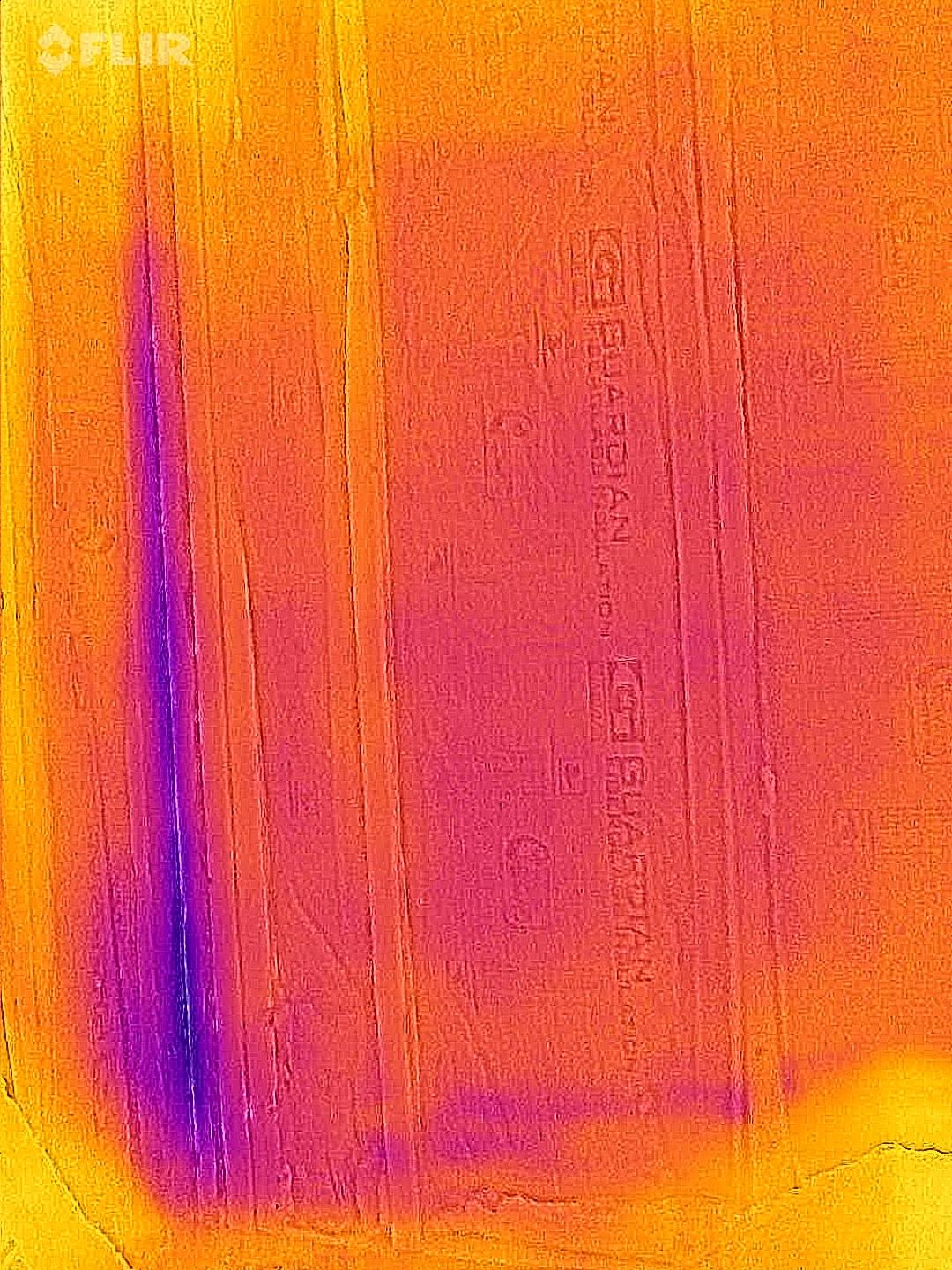
When moisture begins to seep into a basement, the first step is often a conversation with a restoration professional. Floodman offers basement waterproofing, foundation repair, crawl space encapsulation, water damage restoration and mold remediation in Northern Michigan. Before scheduling an inspection, it helps to think through the questions that will guide the assessment. The goal is to gather enough context so the inspector can focus on the most relevant areas of the home.
Start by describing the history of moisture in the space. Note when the problem first appeared, whether it follows heavy rain, snowmelt or seasonal changes, and how the severity has shifted over time. Mention any previous repairs or drainage work that may have been done, even if details are incomplete. This background helps the inspector understand patterns and avoid repeating ineffective approaches.
Next, consider the visible signs of water intrusion. Look for staining on walls, efflorescence, damp spots on the floor, or areas where paint or drywall has peeled. Identify whether moisture seems to concentrate near the floor-wall joint, along specific walls, or in corners. If there are cracks in the foundation, note their location, length and whether they appear to be widening. These observations can help the inspector prioritize areas for closer examination.
Discuss the surrounding environment as well. Ask whether grading, gutters or downspouts might be directing water toward the foundation. Inquire about the condition of exterior drainage systems, such as French drains or sump pumps, and whether they have been maintained or replaced. Understanding how water moves around the home can reveal whether the issue is primarily internal or influenced by external factors.
If mold or mildew has been noticed, describe the location and extent. Mold remediation is one of the services Floodman provides, and early identification can help determine whether additional steps are needed beyond waterproofing. Ask about the relationship between moisture control and mold prevention, and whether encapsulation or other treatments might complement the waterproofing plan.
Finally, clarify the scope of the inspection itself. Ask what areas will be examined, whether any tools or equipment will be used, and how long the visit might take. Understanding the process can help you prepare the space and ensure the inspector has access to the areas of concern.
For more information or to schedule an inspection, visit https://floodman.com or call 231-935-4921.