 FLOODMAN
Why Crawlspace Encapsulation is Essential for Grandville, Michigan Homes
Posted on March 15, 2026
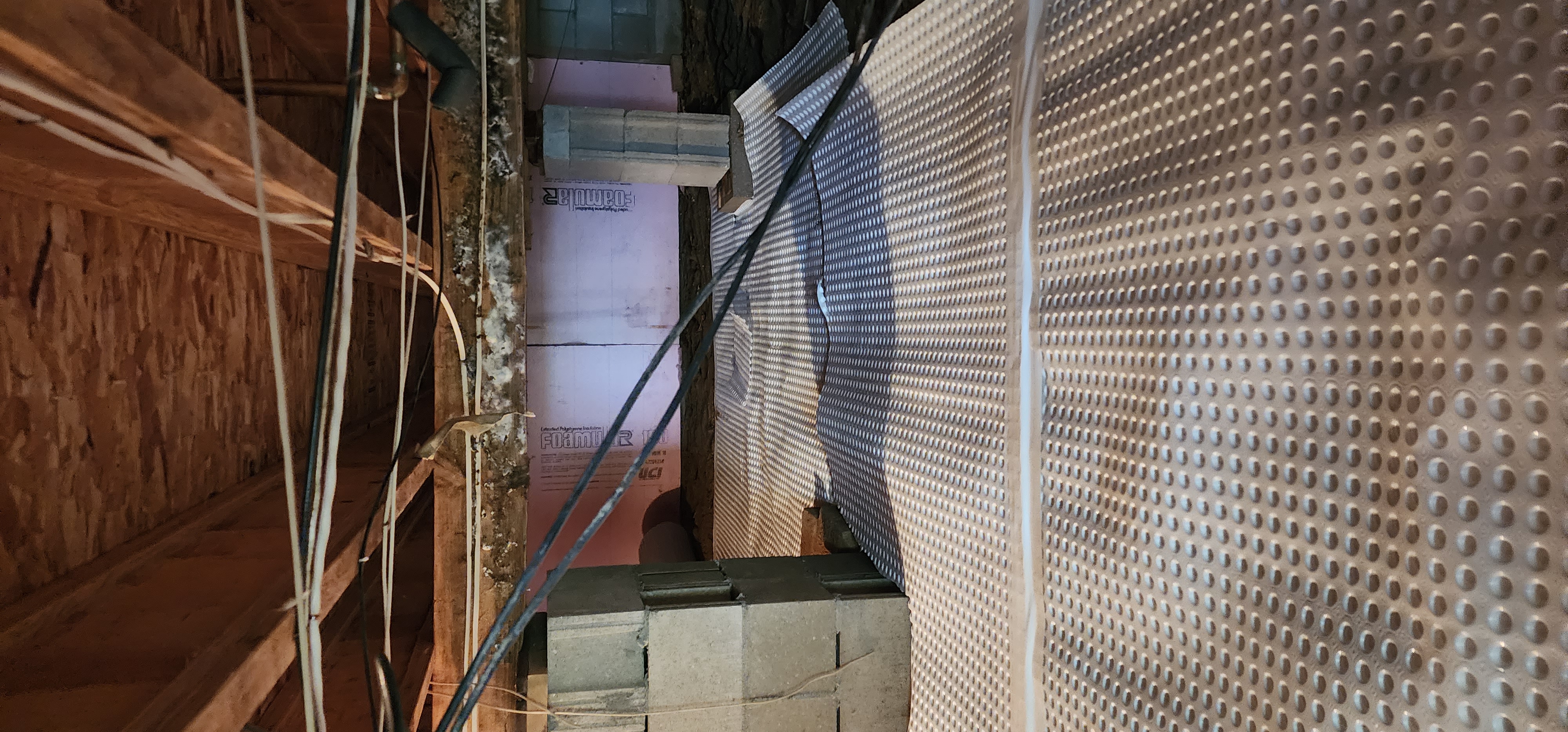
If you're a homeowner in Grandville, Michigan, you know how important it is to protect your home from the area's unique climate challenges. One critical aspect often overlooked is the state of your crawlspace. This underutilized area can become a breeding ground for moisture, mold, and pests, especially in the seasonal weather conditions common to our region.
What is Crawlspace Encapsulation?
Crawlspace encapsulation is the process of sealing your crawlspace with a heavy-duty polyethylene barrier and other materials to protect it from external elements. This approach helps in preventing moisture accumulation and reduces the risk of mold growth, making your home healthier and more energy-efficient.
For homeowners in Grandville, this can be a major concern due to the humid summers and chilly winters. Moisture can infiltrate your home, leading to structural damage over time, not to mention unpleasant odors and unhealthy interior air quality.
With our professional services in Grandville, residents of the greater Grandville area can rest assured that their crawlspace is properly sealed and protected. This not only safeguards your home but can also lead to significant energy savings by preventing air from leaking and maintaining consistent indoor temperatures.
Moreover, encapsulating your crawlspace can increase your property's value by demonstrating proactive maintenance and improving overall air quality. Our teams are always ready to help residents of the greater Grandville area with tailored solutions to meet their specific needs.
Whether you're dealing with crawlspace moisture issues or simply want to enhance your home's structural integrity, consider investing in crawlspace encapsulation. Transform your crawlspace from a potential problem into a proactive home improvement strategy today.