 FLOODMAN
Battling Mold in Comstock Park: Keep Your Home Safe and Healthy
Posted on June 5, 2026
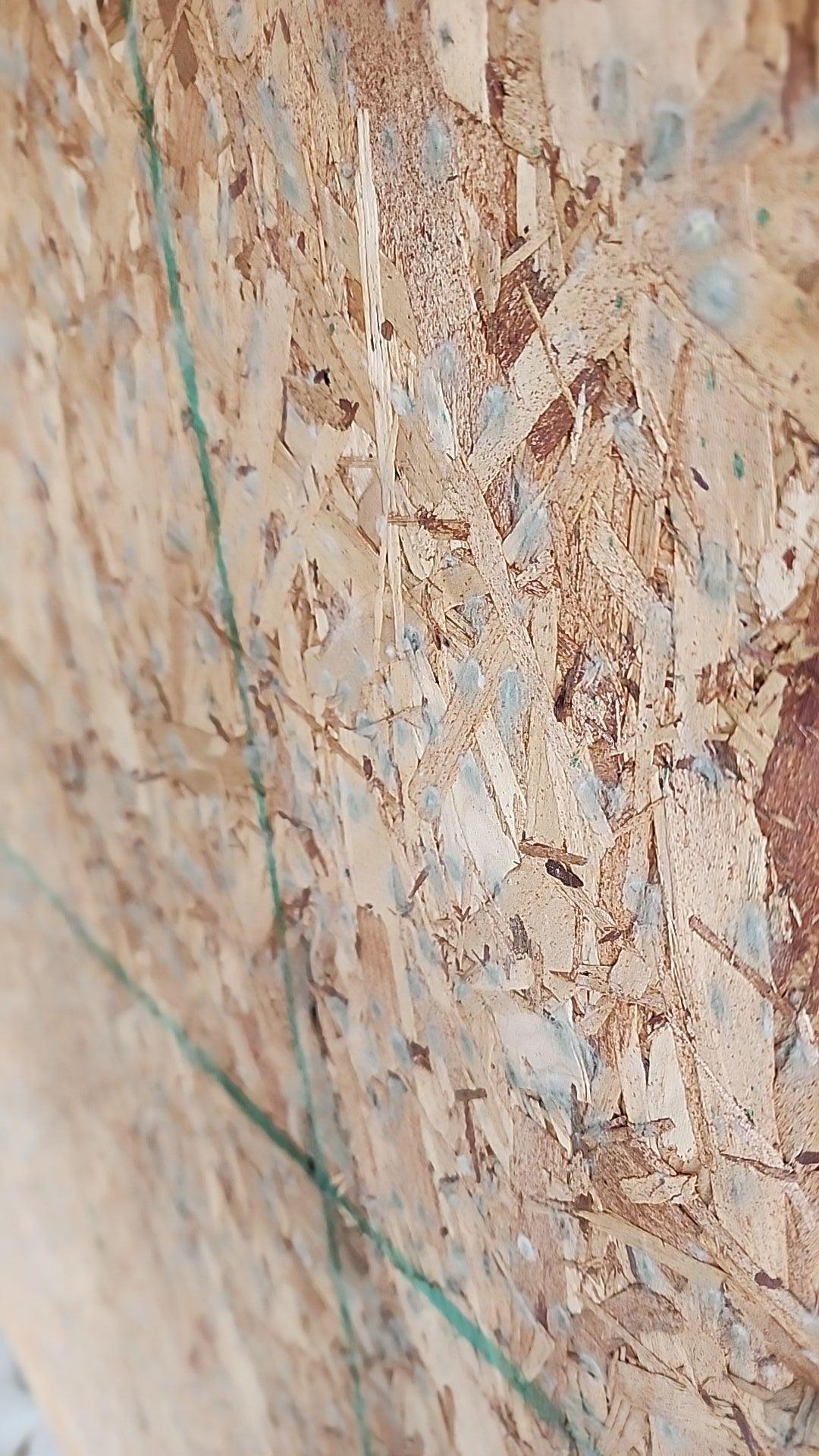
Mold is a persistent problem that many homeowners face, and those living in Comstock Park, Michigan, are no exception. The area's natural humidity and weather conditions make it a breeding ground for mold, which can pose health risks and structural threats to your home.
Understanding the Dangers of Mold
Mold is more than just an unsightly nuisance; it's a major health hazard. Exposure to mold spores can lead to respiratory issues, allergic reactions, and other health problems, especially for those with weakened immune systems. For homeowners in Comstock Park, this can be a significant concern, given the region’s climate.
Beyond the health risks, mold can also cause extensive damage to your property's structural integrity. It eats away at materials like wood, drywall, and carpet, leading to costly repairs if not addressed timely. This is why it's crucial to identify and treat mold issues promptly.
Preventing Mold Growth
Prevention is the best way to protect your home from mold. Regularly inspecting moisture-prone areas such as basements, bathrooms, and kitchens can help catch mold growth early. Maintaining proper ventilation and using dehumidifiers can significantly reduce indoor humidity levels, further lowering the risk of mold.
If you spot signs of mold, don't take on the problem alone. Our teams are always ready to help residents of the greater Comstock Park area. With our professional services in Comstock Park, tackling mold is easier and more effective, ensuring comprehensive removal and prevention of future growth.
Taking proactive steps to manage mold growth not only safeguards your health but also preserves the condition of your Comstock Park home. For expert assistance and peace of mind, consider reaching out to professionals who understand the unique challenges posed by the local environment.